How Light Weight Aluminum Casting Functions: Discovering the Strategies and Advantages in Modern Sector
Light weight aluminum Casting is a vital process in contemporary production. It entails shaping liquified light weight aluminum with numerous techniques, each with distinctive advantages. Techniques like sand casting, die spreading, and investment Casting accommodate different production requirements. These approaches not just enhance product performance however additionally align with lasting methods. Recognizing the subtleties of each technique discloses their significance in diverse markets. What ramifications do these improvements hold for the future of production?
The Essentials of Aluminum Spreading
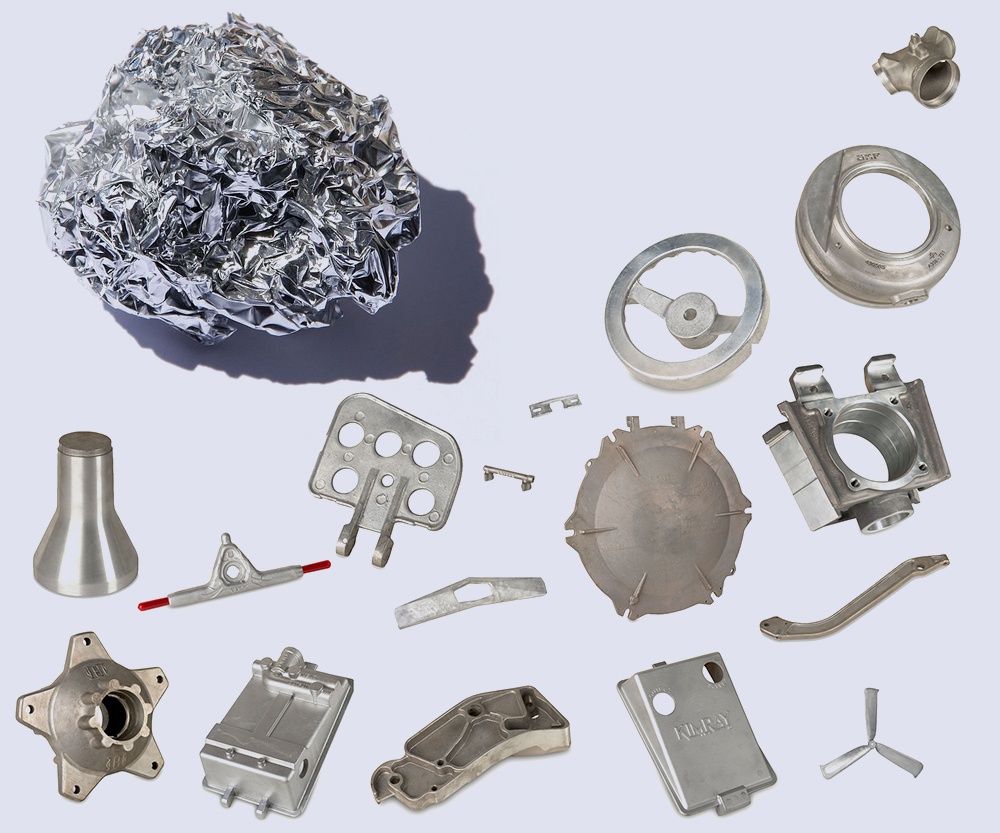
Aluminum Casting is a widely utilized production procedure that involves shaping liquified aluminum into certain kinds. This technique is crucial in numerous markets, consisting of automobile, aerospace, and durable goods. The procedure starts with melting aluminum ingots in a furnace, reaching temperatures around 660 degrees Celsius. When the aluminum is liquified, it can be poured right into molds made from steel or sand, permitting it to strengthen and cool down into the preferred form.
Sand Casting: A Standard Method
Among the most traditional methods of light weight aluminum Casting is sand spreading, a method that dates back thousands of years. This process involves producing a mold and mildew from a blend of sand and a bonding agent, commonly clay, which forms a tooth cavity in the form of the wanted part. When the mold is prepared, molten light weight aluminum is put right into the cavity, allowing it to strengthen and cool down.
Sand Casting is favored for its versatility and cost-effectiveness, making it ideal for both tiny and huge production runs. The technique can accommodate intricate geometries and intricate layouts that might be testing for other methods. While the surface area coating of sand-cast components might not match that of even more modern techniques, the capability to develop big spreadings and the simplicity of mold development are significant advantages. Overall, sand Casting remains a reputable option in the aluminum Casting industry, particularly for customized and low-volume applications.
Die Spreading: Precision and Performance
While sand Casting is recognized for its flexibility, die casting deals unmatched precision and performance in the light weight aluminum Casting procedure. This strategy involves forcing liquified aluminum into a steel mold, or pass away, under high pressure. Such a technique assures that the end product displays tight resistances and a smooth surface finish, reducing the requirement for substantial post-processing.
Die Casting is especially beneficial for high-volume manufacturing, as it enables fast cycle times and regular high quality across numerous components. The process effectively decreases product waste, making it a cost-effective remedy for makers. Furthermore, the resilience of die-cast elements lends itself to different applications, including vehicle, aerospace, and durable goods.
Investment Spreading: Fine Information and Intricate Shapes
Investment Casting stands apart in the domain of aluminum Casting for its ability to generate complex styles and fine information. This method includes creating a wax pattern that is coated with a ceramic covering. As soon as the covering hardens, the wax is dissolved, leaving an accurate mold and mildew for the aluminum to be poured into. The process enables the manufacturing of intricate forms that would be impossible or difficult to attain with various other Casting techniques.
Financial investment Casting can accommodate a vast range of dimensions and weights, making it flexible throughout numerous industries. It additionally makes it possible for the production of elements with tight resistances and slim walls, which are essential for sophisticated engineering applications. Therefore, investment Casting is often liked for parts that call for high dimensional accuracy and surface area coating, more showcasing its value in contemporary manufacturing.
Advantages of Aluminum Casting in Production
Light weight aluminum casting deals many benefits that significantly boost making procedures. One substantial benefit is its light-weight nature, which lowers transportation costs and enhances power performance in final product. Additionally, aluminum's outstanding corrosion resistance extends the life-span of actors components, making them suitable for numerous applications. The versatility of aluminum Casting strategies enables the production of complicated geometries, enabling producers to create elaborate styles that fulfill certain demands.
Furthermore, aluminum has exceptional thermal and electrical conductivity, making it suitable for a large range of sectors. The Casting procedure itself is efficient, frequently leading to lowered waste material compared to other making methods. Moreover, aluminum can be reused multiple times without shedding its buildings, promoting sustainability within the market. This mix of recyclability, longevity, and performance makes light weight aluminum casting a preferred option for producers looking for to maximize manufacturing while lessening ecological effect.
Applications of Aluminum Casting Across Industries
Light weight aluminum Casting is integral to various sectors, showcasing its flexibility and effectiveness. In the automotive industry, it enables innovations in lightweight elements, while in aerospace, it plays an important function in manufacturing high-performance parts. Furthermore, the customer items market benefits from light weight aluminum Casting via the production of long lasting and aesthetically pleasing products.
Automotive Market Innovations
As the vehicle market continues to progress, the integration of light weight aluminum Casting has become a critical innovation that boosts lorry performance and sustainability. This lightweight product significantly reduces overall car weight, leading to boosted fuel effectiveness and minimized exhausts. Aluminum Casting permits complex geometries, allowing suppliers to develop elaborate components that maximize air movement and enhance aerodynamics. In enhancement, the Casting process assists in quick production, enabling automakers to react quickly to market demands and technical developments. The longevity and corrosion resistance of aluminum likewise add to longer-lasting parts, view website ultimately decreasing maintenance prices for consumers - Aluminum Casting Manufacturer. Consequently, aluminum Casting stands at the center of contemporary auto engineering, driving improvements that line up with environment-friendly initiatives and consumer expectations
Aerospace Part Production
The aerospace market has actually increasingly taken on light weight aluminum Casting for its capability to develop lightweight, high-strength parts vital for aircraft efficiency and security. This technique enables producers to produce elaborate layouts that optimize the rules of aerodynamics while lessening weight. Components such as engine real estates, architectural frameworks, and landing equipment advantage from light weight aluminum's favorable strength-to-weight proportion, enhancing gas effectiveness and general aircraft capacities. Additionally, light weight aluminum Casting methods make it possible for the production of complex geometries that would be tough or impossible to attain with typical manufacturing methods. The durability and rust resistance of aluminum more contribute to the long life of aerospace elements, decreasing upkeep costs. As the demand for a lot more sustainable and efficient air travel services expands, aluminum Casting remains a necessary innovation in aerospace engineering.
Durable Goods Manufacturing
Many markets utilize light weight aluminum Casting for durable goods production because of see this site its convenience and efficiency. This production method is extensively made use of in producing a variety of products, consisting of cookware, automotive components, and digital housings. The light-weight nature of light weight aluminum boosts item efficiency while decreasing delivery expenses and power consumption. Additionally, aluminum Casting enables detailed layouts, which can meet modern-day consumer needs for appearances and performance. The capability to generate items in huge quantities with consistent high quality additionally solidifies aluminum's setting in the consumer products market. The recyclability of light weight aluminum contributes to lasting practices, appealing to ecologically conscious customers. In general, aluminum Casting is indispensable to meeting the diverse demands these days's consumer items market.

Future Trends in Aluminum Casting Innovation
Arising improvements in light weight aluminum Casting modern technology are poised to reinvent the industry. Technologies such as 3D printing and additive production are allowing the manufacturing of intricate geometries with lowered material waste. These techniques enable for rapid prototyping and much shorter lead times, making it simpler for suppliers to reply to market demands. Additionally, the assimilation of artificial knowledge and artificial intelligence is enhancing quality assurance processes, bring about enhanced Casting accuracy and decreased issues.
Sustainability is another substantial fad, with firms significantly embracing green practices, such as recycling scrap light weight aluminum and making use of energy-efficient techniques. In addition, the development of innovative alloys is increasing the efficiency array of light weight aluminum castings, making them suitable for even more demanding applications throughout various fields, including auto and aerospace. As these patterns continue to develop, the light weight aluminum Casting sector is expected to end up being more efficient, sustainable, and responsive to the needs of modern-day manufacturing.
Often Asked Questions
What Precaution Are Required During the Aluminum Casting Process?
During the light weight aluminum Casting procedure, vital security procedures consist of using safety gear, guaranteeing correct air flow, maintaining tools, conducting regular security training, and adhering to policies to stop mishaps and injuries linked with harmful products and high temperature levels.
Exactly How Does Light Weight Aluminum Recycling Influence Casting Practices?
Light weight aluminum recycling substantially affects Casting practices by ensuring a lasting supply of materials, decreasing energy usage, and minimizing waste. This process improves performance, decreases production costs, and promotes environmentally pleasant techniques within the aluminum market.
What Are the Environmental Worries Linked With Aluminum Casting?
The ecological worries connected with aluminum Casting consist of high energy usage, greenhouse gas exhausts, and possible dirt and water contamination from waste materials. Aluminum Casting Manufacturer. These variables raise significant inquiries regarding sustainability and the sector's check out here overall environmental footprint
Just How Do Casting Problems Impact Item Efficiency?
Casting flaws greatly influence product performance, leading to reduced toughness, raised brittleness, and endangered resilience. Such flaws can additionally affect visual qualities and accuracy, inevitably undermining the performance and reliability of the final light weight aluminum items.
What Are the Costs Involved in Light Weight Aluminum Casting?
The expenses involved in aluminum Casting include material costs, labor, equipment, and operational overhead. Additionally, variables such as mold and mildew layout intricacy and production quantity considerably influence general rates, affecting earnings and competition within the market.
Strategies like sand spreading, pass away spreading, and investment Casting cater to various manufacturing needs. A number of approaches exist within aluminum spreading, consisting of die spreading, gravity casting, and low-pressure casting, each offering one-of-a-kind advantages depending on the application. One of the most standard methods of light weight aluminum Casting is sand casting, a technique that dates back thousands of years. While sand Casting is understood for its convenience, die casting offers unparalleled precision and effectiveness in the light weight aluminum Casting process. Financial investment Casting stands out in the domain name of light weight aluminum Casting for its capacity to produce detailed layouts and fine details.